Restoring the Waters That Raised Us
The Great Island Foundation is a volunteer-run nonprofit working to rebuild the health of the Connecticut River estuary — where New England's longest river meets Long Island Sound, in one of the most important tidal wetlands in the country.
Support Our WorkWhy We Do What We Do
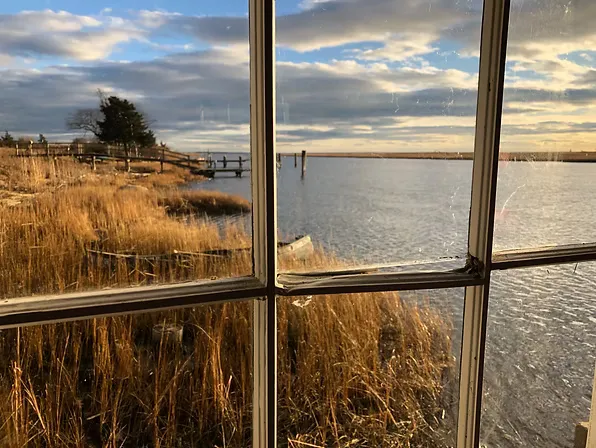
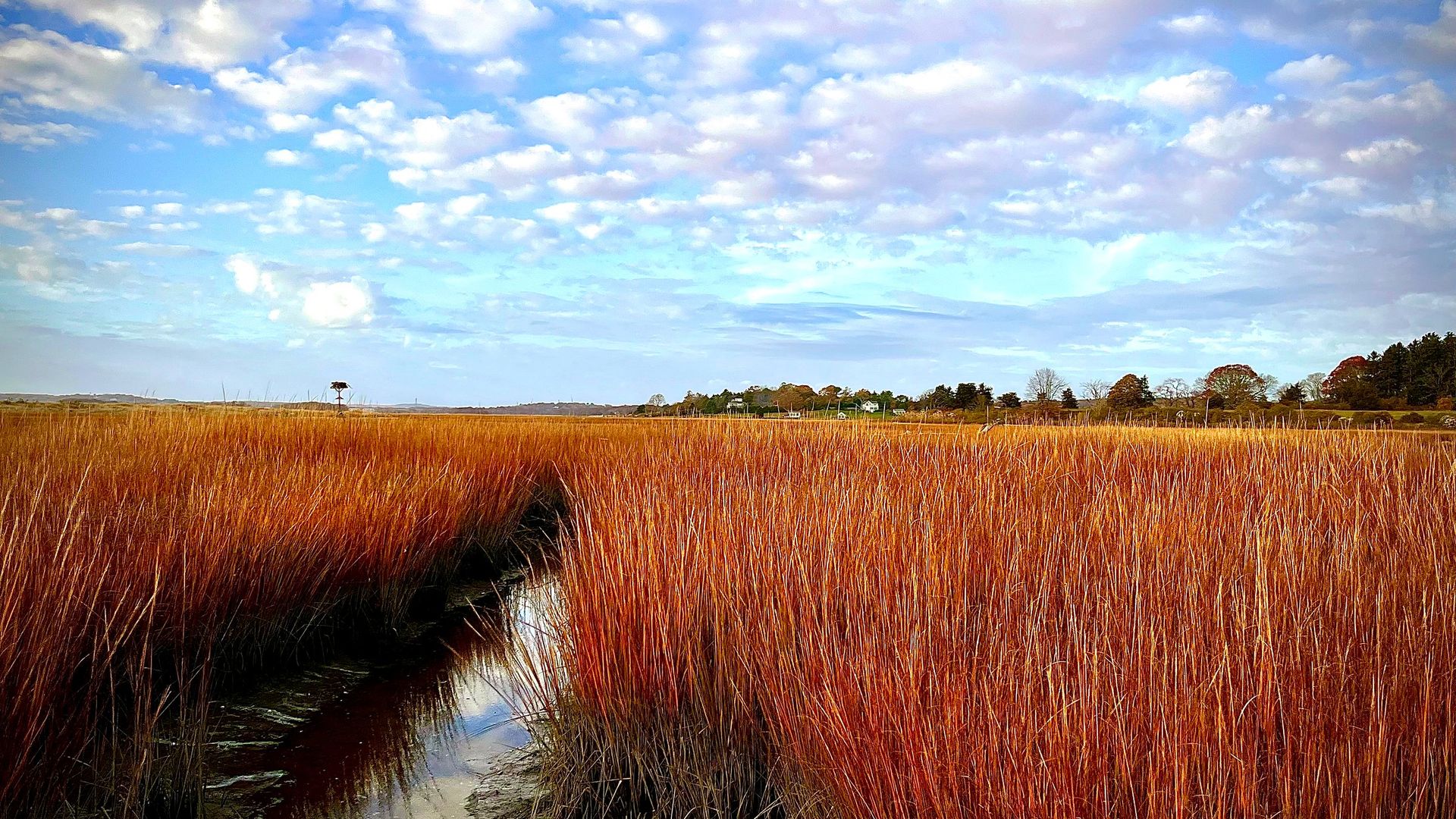
Where the Connecticut River meets Long Island Sound, there are over 500 acres of salt marsh, tidal mudflat, and shallow water that support hundreds of species, from Saltmarsh Sparrows and Osprey to Shortnose Sturgeon and American Shad. It's a Ramsar Wetland of International Importance, one of only 41 in the country. It is also our home.
The Great Island Foundation was formed by people who grew up on these shores, who learned to sail in these currents, and who watched the health of this estuary change over the course of their lifetimes. We are engineers, ecologists, attorneys, educators, and entrepreneurs, all volunteers, united by a belief that this place is worth fighting for.
Where We Work
Our projects are concentrated at the river's mouth, along the Connecticut River side of Great Island, around Griswold Point, and up the Back River and Black Hall River. These are the creeks we fished as kids, the channels we learned to sail, and the marshes we walked growing up.
We're starting with pilot projects in areas where oyster beds and eelgrass meadows once thrived, working alongside research institutions and our neighbors in Old Lyme and the surrounding shoreline communities to restore the health of the estuary.
Our Work
Oyster Restoration
ActiveWe collect and recycle oyster shell from restaurants across southeastern Connecticut and map historic oyster beds in the river. We work with regional nonprofits and state partners to support the conditions these ecosystems need to recover.
Eelgrass Recovery
ActiveNinety percent of Long Island Sound's eelgrass is gone. We fund research in marine ecology, support replanting projects, and work with partners across the region to bring these underwater meadows back.
Reef Habitat Construction
In DevelopmentWe're building underwater reef structures that shellfish can colonize and grow on — structures that also help protect shorelines from erosion.
Mussel Bioextraction
In ProgressWe build and deploy ribbed mussel rafts that pull nitrogen directly from the water column. The mussels do what treatment plants can't: filter the estuary from inside it.
This Place Needs You
Ninety percent of Long Island Sound's eelgrass is gone. Very few naturally occurring oyster reefs remain. The water is clearer than it was thirty years ago, but there's still a long way to go. We're a small team of volunteers doing the work — restoring habitat, replanting eelgrass, and cleaning up the water. Every bit of help matters.